

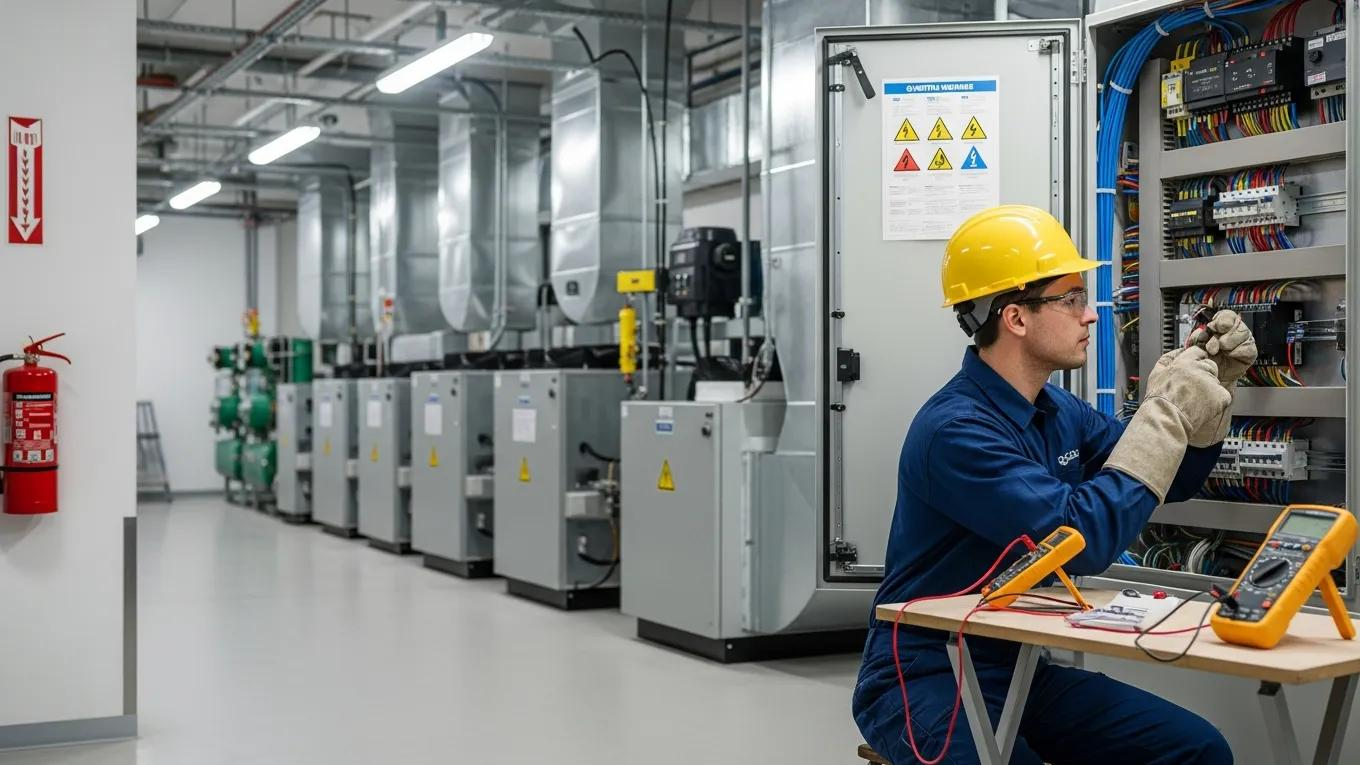
Electrical Safety for HVAC Professionals: Comprehensive Strategies to Prevent Accidents
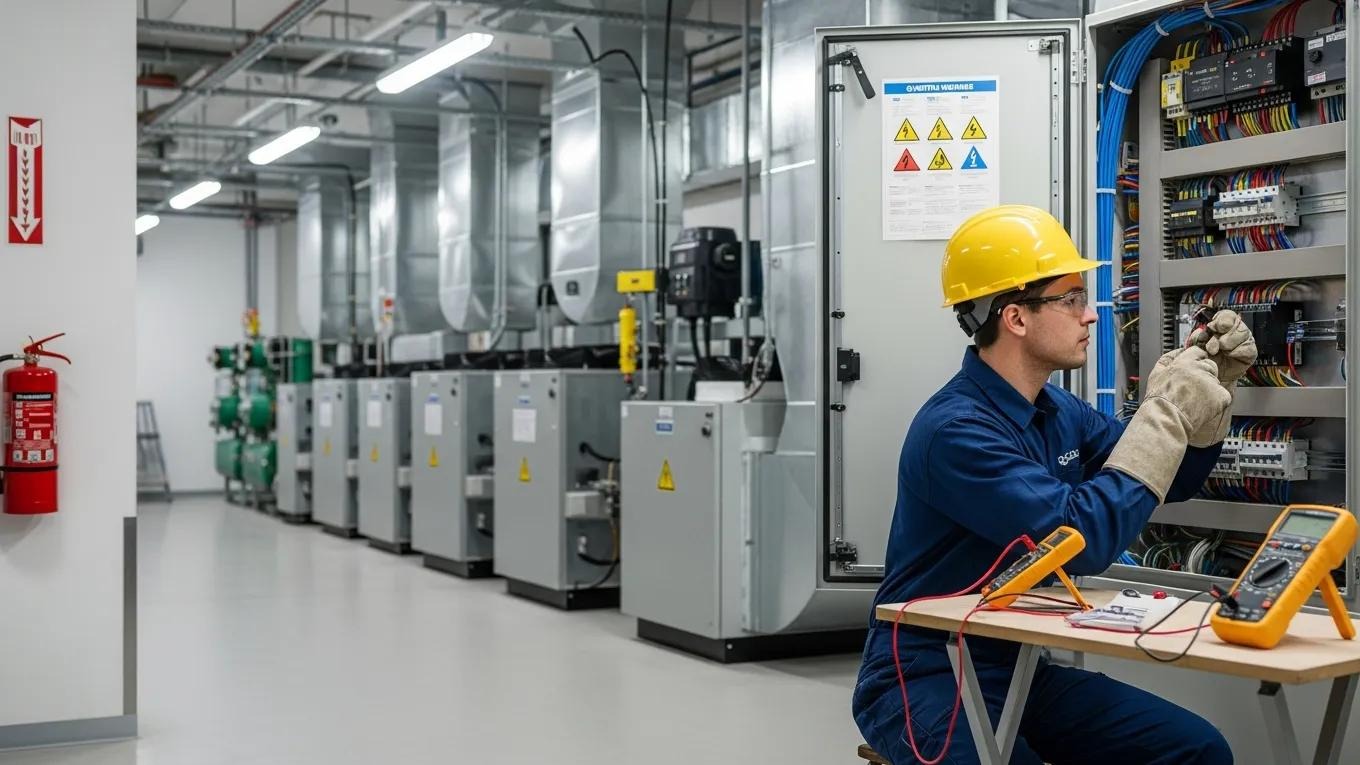
At the Institute of Heating and Air Conditioning Industries, Inc., we understand that electrical safety is a critical concern for HVAC professionals. Our work often involves high-voltage systems and complex electrical components, so mastering best practices, regulatory compliance, and training requirements is essential to prevent accidents and maintain a safe working environment. In this article, we share comprehensive strategies that HVAC professionals can implement to enhance electrical safety, reduce risks, and comply with industry standards. By addressing common electrical hazards and emphasizing the importance of proper training and equipment, we help HVAC technicians significantly mitigate the risks associated with electrical work. We will explore best practices, regulatory compliance, training requirements, and risk management techniques, along with specific procedures like lockout tagout that are vital for maintaining safety in HVAC operations.
Best Practices
Implementing stringent safety protocols is essential for HVAC professionals to minimize electrical hazards. At the Institute of Heating and Air Conditioning Industries, Inc., we emphasize that regular maintenance of HVAC systems not only ensures optimal performance but also reduces the risk of electrical failures. Utilizing personal protective equipment (PPE) is another critical aspect of electrical safety, as it provides a barrier against potential electrical shocks and injuries.
Different safety practices deliver distinct benefits through specific mechanisms.
This comparison demonstrates how various safety practices contribute to a safer working environment for HVAC professionals. Understanding these practices leads to a deeper exploration of regulatory compliance.
Regulatory Compliance
Staying informed about local and federal regulations is crucial for HVAC professionals. Compliance with industry codes not only protects workers but also helps avoid legal issues and penalties. At the Institute of Heating and Air Conditioning Industries, Inc., we provide critical resources and updates on compliance requirements, ensuring that HVAC professionals are equipped with the latest information.
Our role in providing updates and resources for compliance cannot be overstated. Our advocacy and educational resources support HVAC professionals in aligning their practices with industry standards, thereby enhancing safety and operational efficiency.
Training Requirements
Training is a fundamental component of electrical safety for HVAC professionals. We provide hands-on training and offer comprehensive curricula to ensure that technicians are well-prepared to handle electrical systems safely. Continuous education is vital, as it keeps professionals updated on the latest safety protocols and technologies.
For those seeking to enhance their knowledge, the Institute of Heating and Air Conditioning Industries, Inc. offers various training programs and membership benefits aimed at reducing electrical accidents and promoting safe work practices. These resources are invaluable for HVAC professionals looking to improve their skills and knowledge in electrical safety.
What Are the Key Lockout Tagout Procedures for HVAC Electrical Safety?
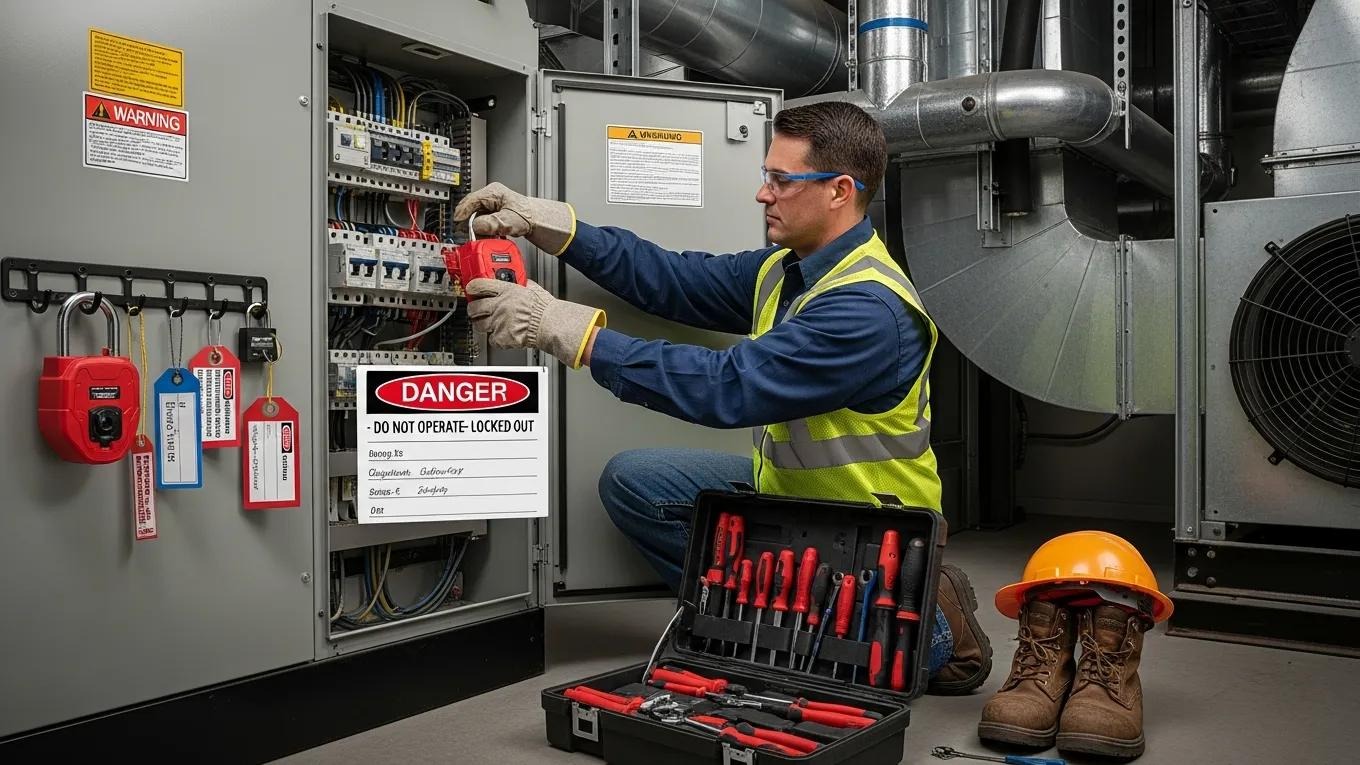
Lockout tagout (LOTO) procedures are essential for preventing electrical accidents in HVAC work. These procedures involve isolating energy sources and ensuring that equipment is properly shut down before maintenance or repair work begins. By following LOTO protocols, HVAC professionals can significantly reduce the risk of accidental energization, which can lead to severe injuries or fatalities.
How Does Lockout Tagout Prevent Electrical Accidents in HVAC Work?
The mechanism of lockout tagout in preventing accidents involves a systematic approach to energy control. By physically locking and tagging energy sources, technicians ensure that no one can inadvertently start the equipment while maintenance is being performed. This practice not only protects the technician but also promotes a culture of safety within the workplace. Real-world applications of LOTO have shown a significant reduction in electrical accidents, highlighting its importance in HVAC operations.
What Are the Step-by-Step Lockout Tagout Guidelines for HVAC Technicians?
The step-by-step guidelines for implementing lockout tagout procedures include:
- Preparation: Identify all energy sources and understand the hazards associated with them. This step is crucial to ensure that no energy source is overlooked during the lockout process.
- Notification: Inform all affected employees that maintenance will occur. Clear communication helps prevent accidental energization and ensures everyone is aware of the work being done.
- Shutdown: Properly shut down the equipment according to manufacturer instructions. Following the correct shutdown procedure minimizes the risk of damage and injury.
- Isolation: Isolate the energy sources using lockout devices and tags. This physical barrier prevents the equipment from being energized during maintenance.
- Verification: Test the equipment to ensure it is de-energized before beginning work. Verification confirms that the lockout has been successful and the equipment is safe to work on.
Following these guidelines helps HVAC technicians avoid common pitfalls and implement best practices for safety.
How Can HVAC Professionals Identify and Prevent Electrical Hazards?
Identifying and preventing electrical hazards is crucial for maintaining safety in HVAC work. Common electrical hazards include exposed wiring, overloaded circuits, and improper grounding. HVAC professionals must be vigilant in recognizing these risks and implementing appropriate mitigation strategies.
What Are Common Electrical Hazards in HVAC Systems?
Common electrical hazards in HVAC systems include:
- Exposed Wiring: This condition increases the risk of electrical shock and short circuits. HVAC professionals should regularly inspect wiring to ensure it is properly insulated and secured.
- Overloaded Circuits: Overloading can lead to overheating and potential fires. Proper circuit design and load management are essential to prevent these hazards.
- Improper Grounding: Without proper grounding, there is a heightened risk of electrical shock and equipment damage. Ensuring grounding systems meet code requirements is a key preventive measure.
By understanding these hazards, HVAC professionals can take proactive measures to prevent accidents.
Which Best Practices Reduce Electrical Shock and Arc Flash Risks?
To reduce electrical shock and arc flash risks, HVAC professionals should adhere to the following best practices:
- Use Insulated Tools: Insulated tools protect against accidental contact with live wires. Using the correct tools designed for electrical work is a fundamental safety measure.
- Implement Proper Grounding: Proper grounding ensures the safe operation of electrical equipment. It helps prevent electrical faults and reduces the risk of shock.
- Conduct Regular Safety Audits: Safety audits identify potential hazards and compliance issues. Regular audits help maintain a culture of safety and ensure ongoing adherence to standards.
These practices are essential for creating a safe working environment and minimizing risks associated with electrical work.
What Are the Best Practices for HVAC Wiring Safety and Compliance?
Wiring safety is a critical aspect of electrical safety in HVAC systems. Adhering to established wiring standards and best practices ensures compliance with regulations and enhances overall safety.
How Do HVAC Wiring Standards Align with NFPA 70E and OSHA Regulations?
HVAC wiring standards align closely with NFPA 70E and OSHA regulations, which provide guidelines for electrical safety in the workplace. Compliance with these standards helps HVAC professionals avoid legal issues and ensures a safe working environment. At the Institute of Heating and Air Conditioning Industries, Inc., we continuously monitor these standards to keep our members informed and compliant.
What Are the Recommended HVAC Wiring Installation and Maintenance Practices?
Recommended practices for HVAC wiring installation and maintenance include:
- Follow Manufacturer Guidelines: Following manufacturer guidelines ensures proper installation and compliance. It also helps maintain the integrity and safety of the HVAC system.
- Use Quality Materials: Using high-quality materials reduces the risk of electrical failures. Quality components contribute to the longevity and safety of the system.
- Regular Inspections: Conducting regular inspections identifies potential issues before they become hazards. Proactive maintenance helps prevent costly repairs and accidents.
These practices are vital for maintaining safety and compliance in HVAC operations.
Which Personal Protective Equipment Is Essential for Electrical Safety in HVAC?
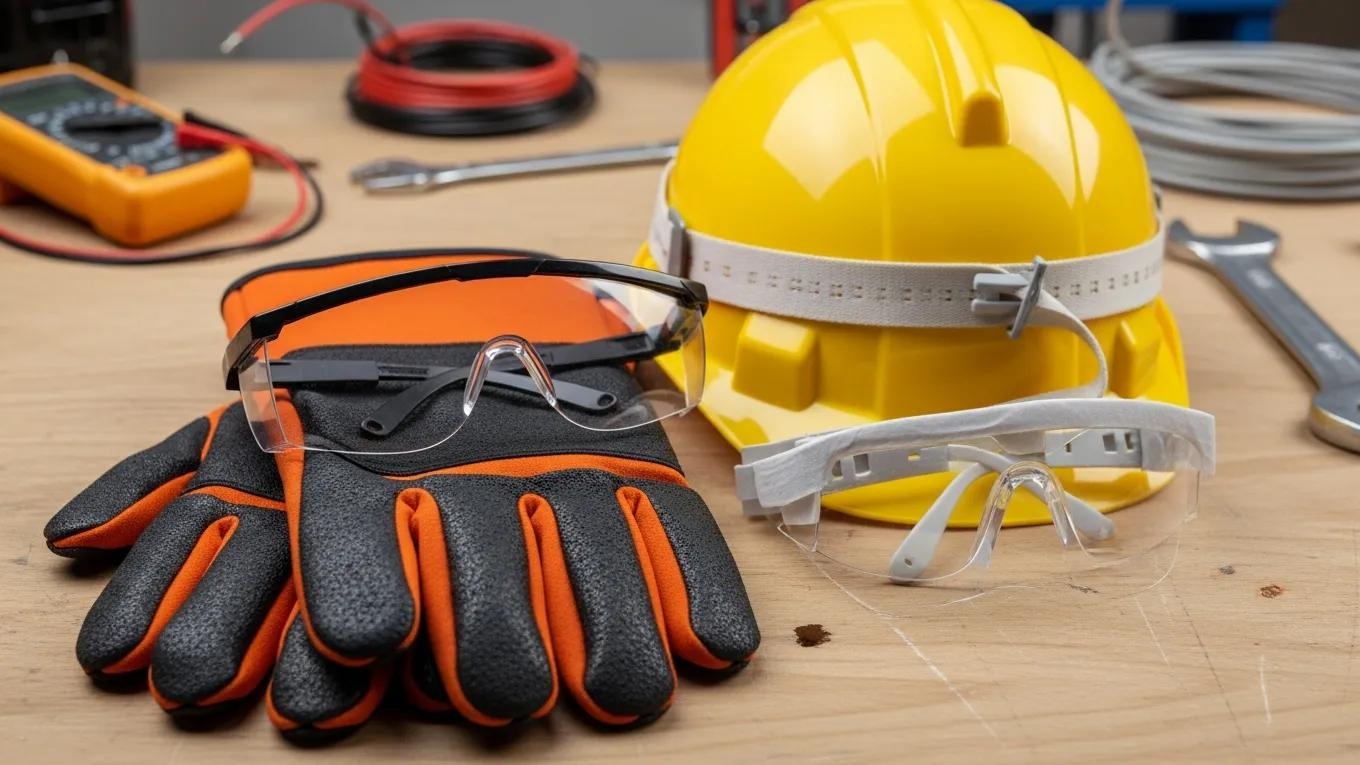
Personal protective equipment (PPE) is essential for HVAC professionals working with electrical systems. Proper PPE usage mitigates electrical injury risks and enhances overall safety.
What Types of PPE Are Required for Electrical Work in HVAC Settings?
Essential types of PPE for electrical work in HVAC settings include:
- Insulated Gloves: These gloves protect against electrical shock by providing a non-conductive barrier. Wearing insulated gloves is a critical step in preventing injuries during electrical tasks.
- Safety Glasses: Safety glasses shield eyes from debris and sparks that may occur during electrical work. Protecting the eyes helps prevent serious injuries and ensures clear vision on the job.
- Hard Hats: Hard hats protect against head injuries from falling objects or accidental bumps. They are a necessary part of PPE to maintain overall safety on site.
Using the appropriate PPE is crucial for ensuring safety during electrical work.
How Does Proper PPE Usage Mitigate Electrical Injury Risks?
Proper PPE usage significantly reduces the risk of electrical injuries. Wearing insulated gloves and other protective gear can prevent serious injuries in the event of an electrical accident. By prioritizing PPE, HVAC professionals create a safer work environment and demonstrate a commitment to safety standards.
How Do California Electrical Safety Regulations Impact HVAC Professionals?
California electrical safety regulations have a significant impact on HVAC professionals working in locations such as Sacramento, CA. These regulations establish standards for safe electrical practices and ensure compliance with state laws. At the Institute of Heating and Air Conditioning Industries, Inc., we help our members understand and implement these regulations effectively.
What Are the Latest Cal/OSHA Electrical Safety Requirements for HVAC Work?
The latest Cal/OSHA electrical safety requirements for HVAC work emphasize the importance of training, proper equipment usage, and adherence to safety protocols. Staying updated on these requirements is essential for HVAC professionals to maintain compliance and ensure safety. We provide resources and training to help our members meet these evolving standards.
How Can HVAC Technicians Ensure Compliance with California Electrical Codes?
HVAC technicians can ensure compliance with California electrical codes by:
- Staying Informed: Regularly reviewing updates to regulations helps technicians stay current with compliance requirements. We offer timely updates and guidance to support this effort.
- Participating in Training: Engaging in ongoing education ensures a thorough understanding of compliance requirements. Our training programs are designed to keep professionals knowledgeable and prepared.
- Documenting Practices: Keeping records of safety audits and compliance checks provides evidence of adherence to regulations. Proper documentation supports accountability and continuous improvement.
These steps are vital for maintaining compliance and promoting safety in HVAC operations.
What Emergency Response and Incident Reporting Procedures Should HVAC Professionals Follow?
In the event of an electrical incident, HVAC professionals must follow established emergency response and incident reporting procedures. These procedures ensure that incidents are handled promptly and effectively, minimizing harm and facilitating corrective actions.
How Should Electrical Incidents Be Reported and Documented in HVAC Workplaces?
Electrical incidents should be reported and documented by:
- Notifying Supervisors: Immediate notification ensures that the incident receives prompt attention and response. This step is critical for initiating emergency protocols and investigations.
- Documenting Details: Recording the incident specifics provides valuable information for future reference and analysis. Detailed documentation helps identify root causes and prevent recurrence.
- Conducting Investigations: Investigations aim to identify root causes and implement corrective measures. This process is essential for improving safety practices and preventing similar incidents.
Proper documentation and reporting are essential for improving safety practices.
What Are the Recommended Emergency Response Steps for Electrical Accidents?
Recommended emergency response steps for electrical accidents include:
- Assess the Situation: Quickly determine the severity of the incident to decide on the appropriate response. Accurate assessment helps prioritize actions and resources.
- Call for Help: Contact emergency services if necessary to provide professional medical assistance. Prompt communication can save lives and reduce injury severity.
- Provide First Aid: Administer first aid to injured individuals if trained to do so. Immediate care can stabilize victims until professional help arrives.
These steps are crucial for ensuring a swift and effective response to electrical accidents.
How Does Electrical Safety Training Enhance HVAC Professional Competency?
Electrical safety training enhances HVAC professional competency by equipping technicians with the knowledge and skills necessary to work safely with electrical systems. This training is vital for reducing the risk of accidents and ensuring compliance with regulations. At the Institute of Heating and Air Conditioning Industries, Inc., we prioritize comprehensive training to empower our members.
What Are the Benefits of Specialized Electrical Safety Training for HVAC Technicians?
Specialized electrical safety training offers several benefits, including:
- Enhanced Safety Awareness: Technicians become more aware of potential hazards and learn how to avoid them. This awareness leads to safer work practices and fewer accidents.
- Compliance with Regulations: Training ensures adherence to safety standards and legal requirements. Staying compliant protects both workers and employers from penalties.
- Improved Problem-Solving Skills: Technicians learn to identify and address electrical issues effectively. These skills contribute to efficient and safe HVAC system maintenance and repair.
These benefits highlight the importance of ongoing education in promoting safety and competency in HVAC work.
How Can IHACI Membership Support Ongoing Electrical Safety Education?
Membership with the Institute of Heating and Air Conditioning Industries, Inc. provides HVAC professionals with access to valuable resources for ongoing electrical safety education. Through training programs, webinars, and networking opportunities, we support professionals in enhancing their knowledge and skills in electrical safety. Our commitment is to foster a community dedicated to safety excellence.
By prioritizing electrical safety and adhering to best practices, HVAC professionals can significantly reduce the risk of accidents and create a safer working environment. The integration of training, compliance, and effective safety protocols is essential for promoting a culture of safety within the HVAC industry.
Join Us to Elevate Electrical Safety in HVAC Work
At the Institute of Heating and Air Conditioning Industries, Inc., we invite HVAC professionals to become members and take advantage of our comprehensive safety resources. Together, we can advance electrical safety standards, reduce workplace accidents, and ensure a safer environment for all technicians. Connect with us today to access expert training, up-to-date compliance information, and a supportive professional community.
Subscribe to newsletter
Register for your FREE printed or digital subscription of ICN
Payments


