


How HVAC Systems Work: A Comprehensive Guide to Components, Heating, Cooling, and Air Conditioning Operation
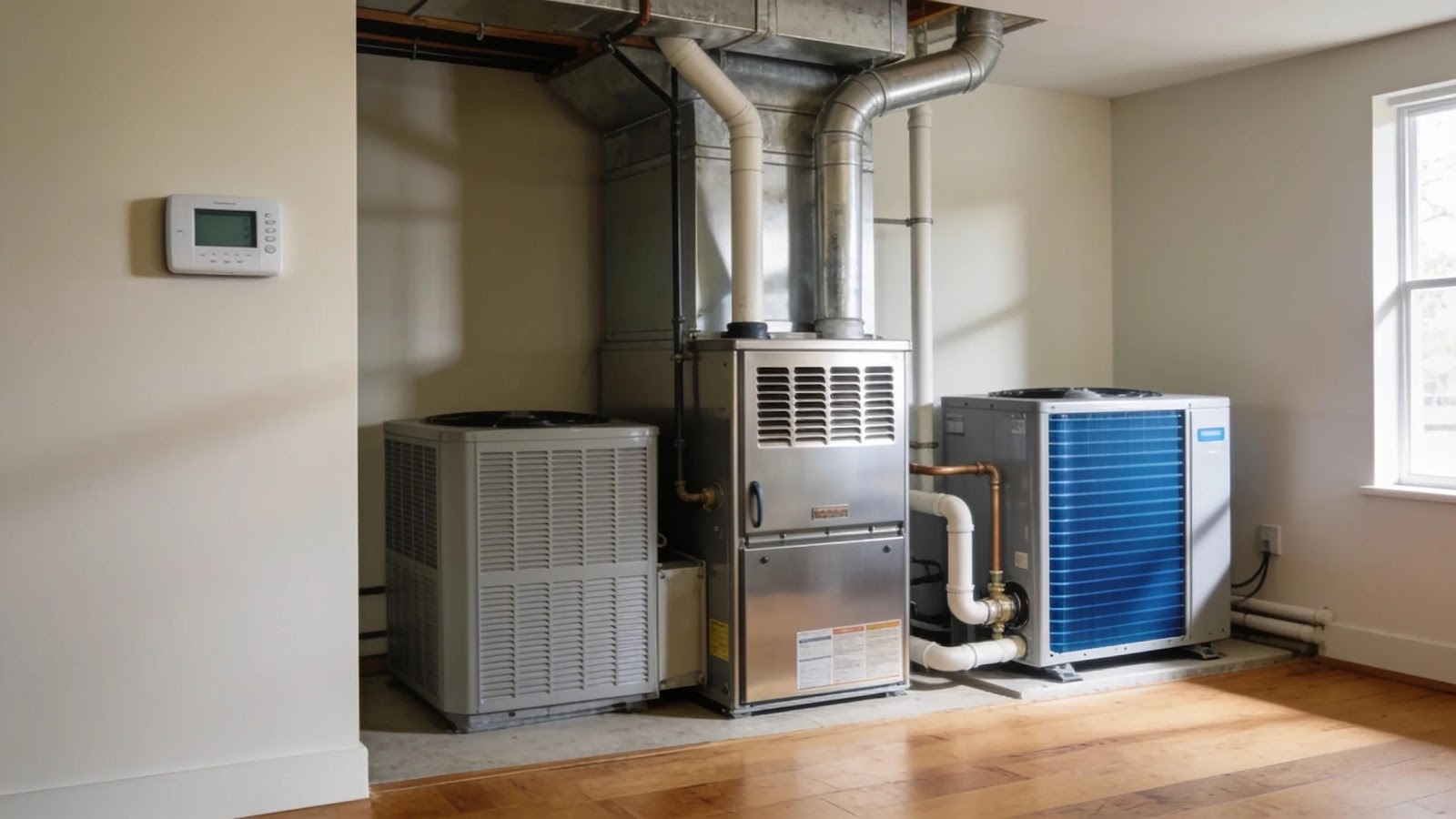
At the Institute of Heating and Air Conditioning Industries, Inc., we emphasize that understanding HVAC systems is crucial to maximizing heating and cooling efficiency in residential and commercial properties in Glendale, CA. HVAC, which stands for Heating, Ventilation, and Air Conditioning, consists of various components working together seamlessly to control indoor climates. In this comprehensive guide, we explore each key component's role, detailing heating and cooling cycles, refrigerant functions, and air conditioning management.
Our clients often face issues tied to inefficient heating and cooling, resulting in higher energy usage and discomfort. By gaining insight into the functions of HVAC elements and their operational cycles, you can make better decisions regarding system maintenance, potential upgrades, and enhancing energy efficiency. We cover important topics such as core HVAC components, heating and cooling operations, energy efficiency considerations, and proactive maintenance strategies. You'll finish this article with valuable knowledge to ensure your HVAC system operates optimally.
What Are the Essential HVAC System Components and Their Functions?
HVAC systems comprise several vital components that regulate indoor climate effectively. To fully understand how these systems operate, let’s examine the primary components involved: furnace, air conditioner, heat pump, ductwork, and thermostat. Each part contributes specifically to heating, cooling, or circulating air inside buildings.
Here is a structured comparison table highlighting the functions and typical locations of these components:
This detailed overview illustrates how these components collaborate to maintain an appropriate indoor climate. We recommend routine inspections to ensure this system synergy continues seamlessly and energy efficiency remains high.
How Does the Compressor Contribute to HVAC System Operation?
The compressor acts as the powerhouse in any HVAC system. It pressurizes the refrigerant, increasing its temperature and propelling it throughout the entire cooling and heating circuits. This function is critical because it initiates the refrigerant cycle responsible for both heat absorption inside and heat rejection outside the building.
When your thermostat signals a temperature adjustment, our compressors quickly activate to move refrigerant to evaporator coils. As the refrigerant changes state by absorbing or releasing heat, it provides cooling or heating effects necessary to maintain comfort.
What Are the Roles of the Condenser, Evaporator, and Expansion Valve?
Each plays a specialized role in the HVAC refrigeration cycle, working together to regulate temperatures effectively:
- Condenser: This outdoor component releases heat extracted from indoor air, converting refrigerant gas back into a liquid state. It requires proper airflow and regular cleaning for optimal efficiency.
- Evaporator: Located indoors, it absorbs heat from the indoor air through the refrigerant, cooling and dehumidifying your living space. Consistent maintenance prevents blockages and enhances performance.
- Expansion Valve: This valve precisely controls refrigerant flow into the evaporator, regulating pressure so the cooling process functions smoothly and energy usage stays minimal.
We stress that these parts collectively contribute to a seamless cycle ensuring temperature regulation and comfort throughout Glendale, CA properties.
How Is the HVAC Heating Process Executed?
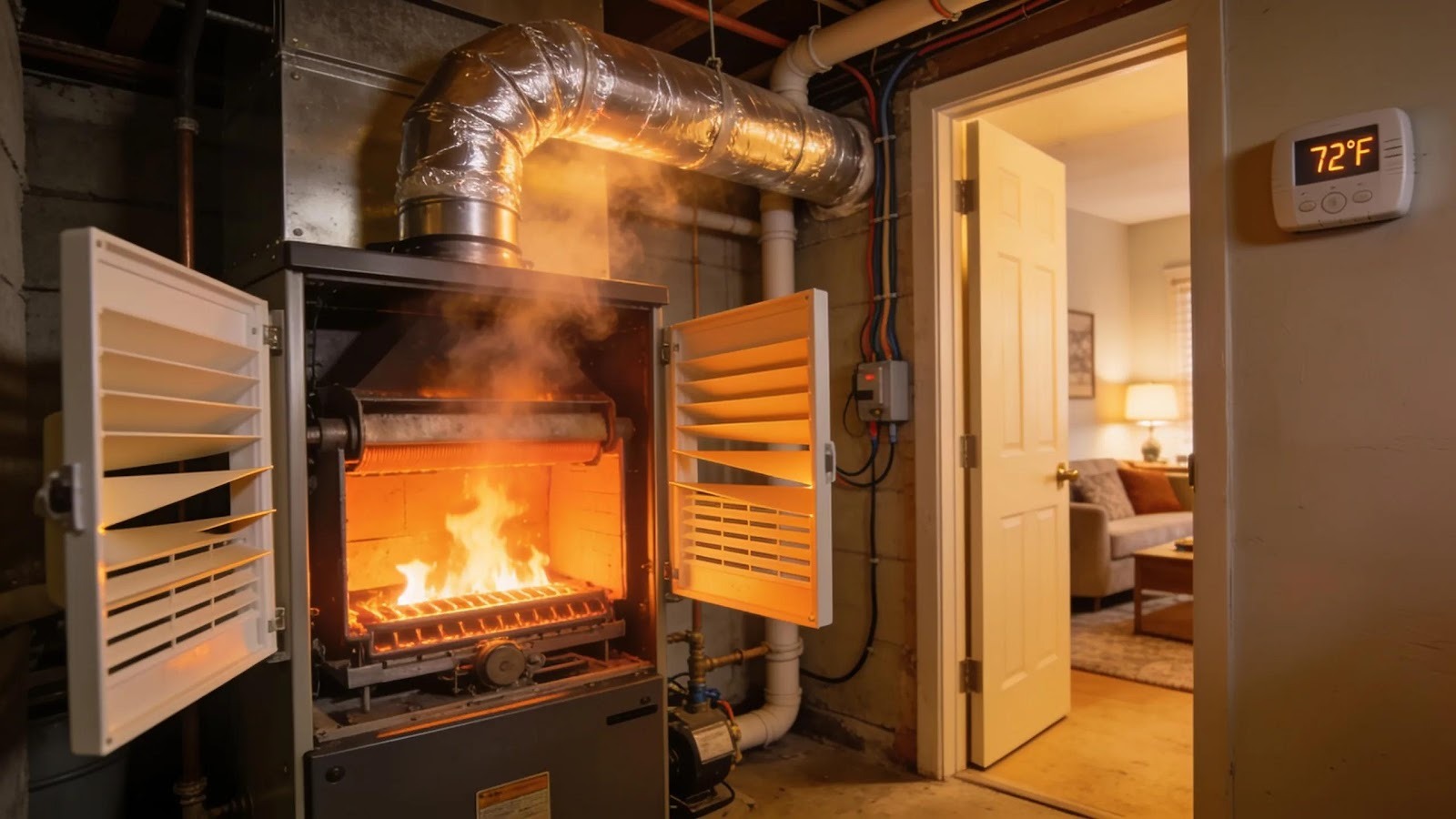
During cooler months in Glendale, CA, our heating process follows a controlled sequence that maximizes warmth and energy efficiency. The system activates upon sensing the indoor temperature falling below the preferred setting.
What Are the Key Steps in the HVAC Heating Cycle?
- Thermostat Activation: Once the temperature drops, the thermostat sends a command to initiate the furnace. Our systems respond promptly to ensure your comfort is not compromised.
- Heat Generation: The furnace ignites fuel or powers electrical elements to generate heat. This heat warms the air in the heat exchanger, efficiently preparing it for distribution.
- Air Distribution: A blower pushes the heated air through the duct system and into your living environment. This ensures even warmth and eliminates cold spots indoors.
- Thermal Regulation: When the thermostat detects the desired temperature, it signals the furnace to shut off, preserving energy while maintaining comfort.
This precise heating cycle we manage guarantees reliable climate control tailored to your needs and preferences.
How Does Heat Transfer Occur Within the Heating Process?
To better understand the heating function, consider three primary heat transfer methods used by our HVAC systems:
- Conduction: Heat directly moves through materials. For example, air flows over heated surfaces inside the furnace where conduction transfers warmth effectively.
- Convection: Warm air is circulated throughout your rooms by fans, spreading comfort uniformly across your living space.
- Radiation: Some heat radiates directly from heated components—this gentle warmth contributes to overall comfort without requiring air movement.
We educate our clients on these processes so they can appreciate how efficiently their systems operate and how to recognize issues that might arise.
What Is the HVAC Cooling Process and Refrigeration Cycle?
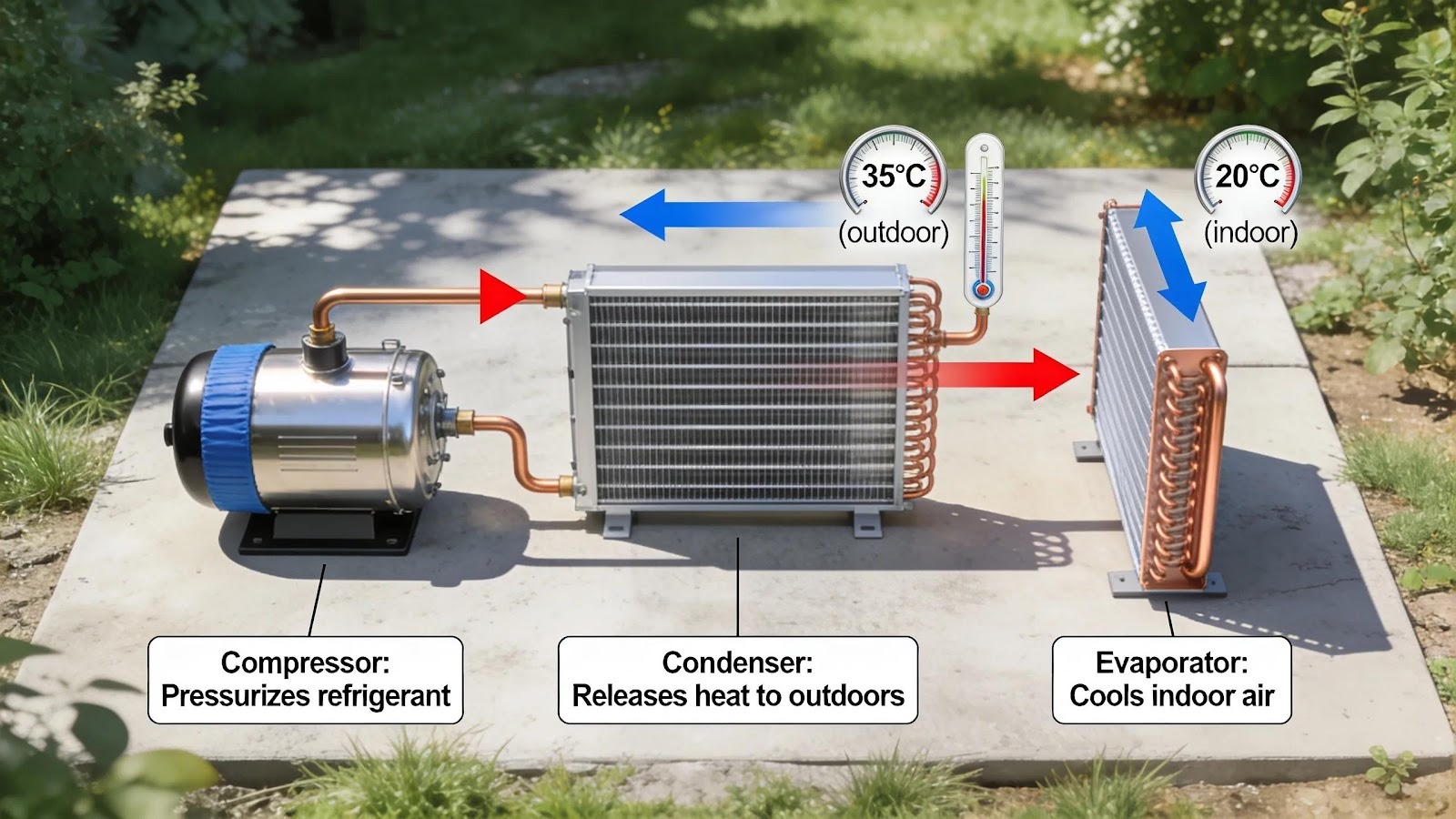
Cooling indoors during hot Glendale, CA summers involves a carefully controlled refrigerant cycle that moves heat from the interior to the exterior. This cycle depends on phase changes within the refrigerant continually absorbing and releasing heat.
How Does Refrigerant Flow Enable the Cooling Cycle?
The refrigerant circulates continuously inside a sealed loop, undergoing key transformations as it moves:
- The compressor pressurizes the refrigerant, turning it into a high-temperature gas ready to release heat.
- The condenser dissipates heat into the outdoor air, changing the refrigerant from gas back to liquid form.
- The expansion valve adjusts refrigerant flow into the evaporator, lowering its pressure and temperature for effective heat absorption indoors.
- The refrigerant absorbs heat from indoor air at the evaporator, evaporating back into gas and restarting the cycle.
This continuous flow ensures your indoor air stays cool and comfortable while excess heat is pushed outside.
What Are the Thermodynamic Steps of the HVAC Refrigeration Cycle?
These four thermodynamic phases define refrigerant operation within our systems:
- Compression: The compressor transforms low-pressure gas into high-pressure gas, enabling heat transfer later.
- Condensation: The refrigerant releases heat into the outdoor environment, transitioning from gas to liquid.
- Expansion: Passing through the expansion valve, refrigerant pressure and temperature drop dramatically to prepare for heat absorption.
- Evaporation: The refrigerant absorbs indoor heat, evaporating to gas and continuing the cooling cycle.
Each step must function flawlessly to deliver dependable temperature control across your Glendale, CA property.
How Do Air Conditioning Systems Operate in HVAC?
Air conditioning systems play a central role in enhancing indoor comfort during warm months by cooling and dehumidifying air inside homes and workplaces.
What Components Are Involved in Effective Air Conditioning Operation?
Successful air conditioning depends on these main parts:
- Compressor: Pressurizes and circulates refrigerant within the cooling cycle. Our compressors are designed for durability and energy efficiency to best serve Glendale, CA customers.
- Evaporator: Absorbs heat from inside air, cooling and reducing humidity before air is distributed back indoors.
- Condenser: Releases heat extracted from interior air outside the building, maintaining the cycle.
- Refrigerant Lines: Transport refrigerant fluid between condenser and evaporator with minimal leakage potential.
- Blower: Moves cooled air through ducts into rooms evenly, ensuring overall comfort.
Our proactive maintenance services focus on these parts to keep your air conditioning system functioning reliably throughout Glendale's hot seasons.
How Is Airflow Managed and Conditioned in HVAC Systems?
Proper airflow management is vital for both cooling and heating efficiency and indoor air quality.
We integrate smart thermostats that precisely regulate system cycles based on real-time temperature changes. Additionally, well-designed ductwork ensures consistent air delivery to all areas. High-quality air filters remove dust, allergens, and pollutants, maintaining healthier breathability for occupants.
With regular professional care, our clients enjoy improved air circulation, higher energy savings, and enhanced comfort levels in their Glendale, CA properties.
What Energy Efficiency and California Regulatory Standards Affect HVAC Systems?
At the Institute of Heating and Air Conditioning Industries, Inc., we are committed to aligning with California’s stringent energy efficiency standards to minimize environmental impact and reduce operational costs for our clients in Glendale, CA.
Our HVAC system designs and installations adhere to these regulations, ensuring optimal performance while supporting sustainability efforts. By choosing our services, you gain access to the latest industry knowledge and compliance with state-level mandates on equipment efficiency.
We also participate in industry education and technical training programs that empower our technicians to maintain these high standards consistently.
How Do Refrigerant Regulations Impact HVAC System Design and Operation?
Changing refrigerant regulations affect system design and maintenance strategies significantly. We comply with federal and California laws restricting the use of high global warming potential (GWP) refrigerants, opting for eco-friendly alternatives that safeguard both the environment and system durability.
Our trained HVAC specialists stay informed on the latest refrigerant requirements. This ensures systems operate efficiently and compliantly while supporting greenhouse gas reduction goals.
How Can HVAC Professionals Effectively Troubleshoot and Maintain Systems?
Our professional team emphasizes routine maintenance and competent troubleshooting to maximize HVAC system lifespan and operational efficiency for our Glendale, CA clients.
What Are Common HVAC System Troubleshooting Techniques?
We use several methods to diagnose and resolve issues proactively:
- Inspecting Filters: We repeatedly find that clogged or dirty filters hamper airflow and increase energy use. Regular filter cleaning or replacement keeps systems running smoothly.
- Checking Thermostat Settings: Incorrect thermostat configurations can cause frequent cycling or inadequate temperature control. We verify settings and calibrate devices as part of our service.
- Examining Refrigerant Levels: Low refrigerant often results in ineffective cooling and added compressor strain. Our technicians assess refrigerant charge and fix leaks promptly.
Implementing these techniques helps us maintain efficiency and prevent costly downtime for your HVAC installations.
Which Maintenance Practices Ensure Optimal HVAC Performance?
Key maintenance steps our team performs include:
- Regular Inspections: We conduct comprehensive systems reviews annually to detect potential problems early and recommend timely remedies.
- Cleaning Components: Our technicians clean coils, blowers, and other mechanical parts diligently to improve heat exchange effectiveness and airflow.
- Scheduling Professional Service: Engaging qualified professionals for more complex diagnostic and repair tasks guarantees system safety, reliability, and adherence to evolving standards.
Through these best practices, we help clients in Glendale, CA enjoy consistent and comfortable indoor climates while extending equipment longevity.
Contact Our HVAC Specialists Today
If you're experiencing heating or cooling problems or want to enhance the performance of your HVAC system, our expert team at the Institute of Heating and Air Conditioning Industries, Inc. is ready to assist. We provide personalized consultations, professional installations, and thorough maintenance services in Glendale, CA.
Reach out to us to schedule a comprehensive evaluation or to learn more about our energy-efficient solutions. Let us help you create a comfortable and healthy indoor environment all year round.
Subscribe to newsletter
Register for your FREE printed or digital subscription of ICN
Payments


