

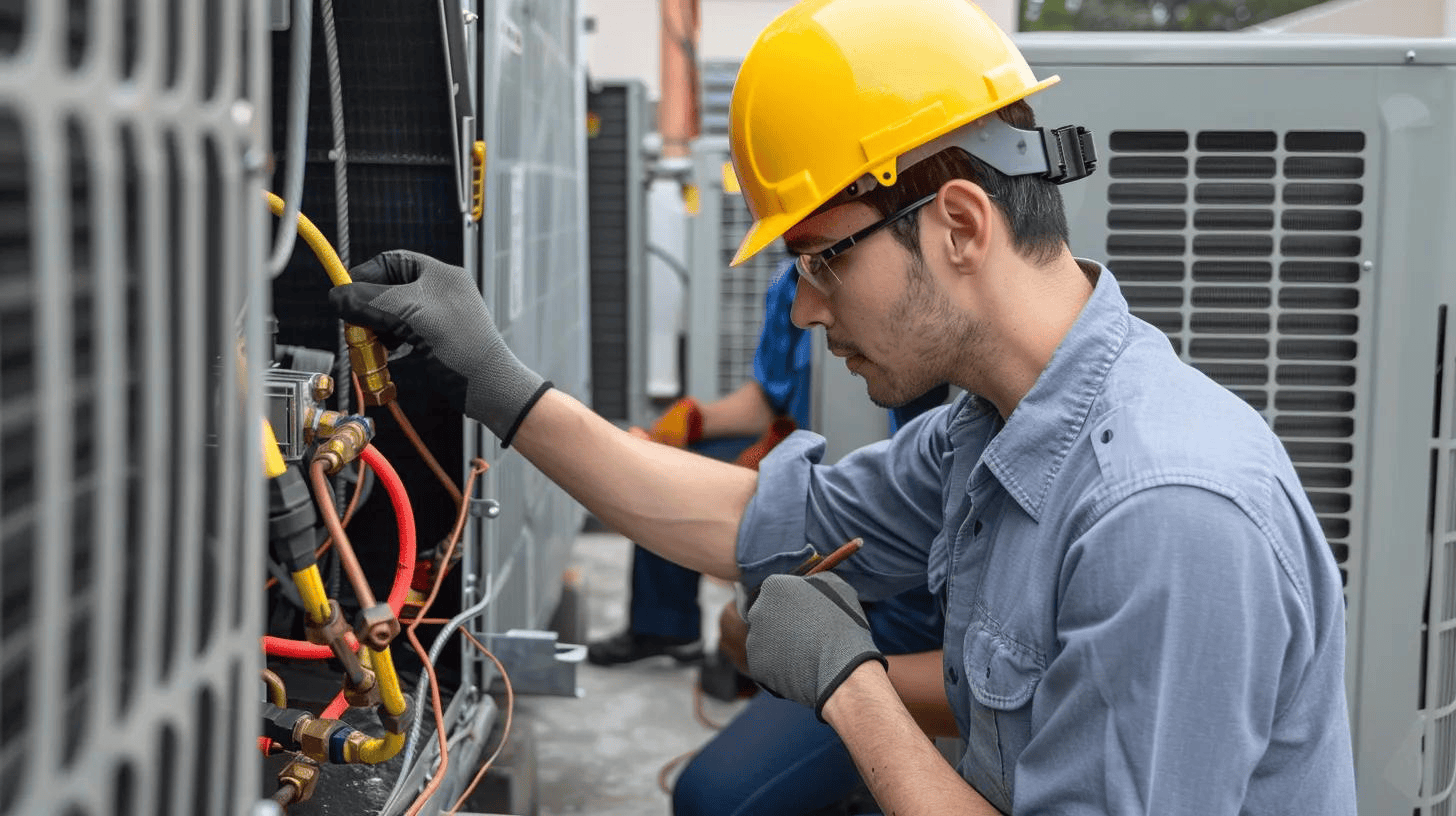
Hands-On Technical Training for Real-World HVAC Challenges
Heating, ventilation, and air conditioning systems are the backbone of comfort and performance in homes and commercial units. From regulating indoor temperatures to maintaining air quality and energy efficiency, HVAC systems must operate reliably in real-world conditions—not ideal ones. As systems grow more complex, technicians must be prepared to handle unpredictable issues on-site. This is why hands-on technical training for real-world HVAC challenges is so important. Practical HVAC training equips professionals with the skills to diagnose, repair, and optimize systems effectively, ensuring long-term reliability and safety. A well-designed training class doesn’t just teach concepts—it prepares technicians to perform with confidence where it matters most.
By engaging directly with equipment and real scenarios, trainees develop a deeper understanding that theoretical learning alone cannot provide. This immersive approach bridges the gap between classroom knowledge and field application, fostering a workforce capable of meeting the demands of modern HVAC systems.
What Makes Hands-On HVAC Training Essential in the Field
Traditional learning builds technical knowledge, but fieldwork demands applied skills. Hands-on HVAC training focuses on doing, not just learning, allowing technicians to gain experience before facing real customers and real systems.
Key elements that make hands-on training essential include:
- Direct interaction with HVAC equipment: Working with actual furnaces, heat pumps, air handlers, and control systems allows technicians to understand how components interact in real operating conditions rather than controlled simulations. This tactile experience helps them recognize subtle signs of wear or malfunction that might be missed in theory-based training.
- Practice-based troubleshooting: Technicians learn how to identify symptoms, trace root causes, and apply solutions through guided problem-solving exercises that mirror real service calls. This method builds critical thinking and adaptability, enabling technicians to handle unexpected issues efficiently.
- Skill reinforcement through repetition: Performing tasks multiple times helps build muscle memory, reducing errors and increasing efficiency in the field. Repetition also boosts confidence, ensuring that technicians can perform under pressure without hesitation.
- Immediate feedback from instructors: Hands-on training allows instructors to correct techniques, explain mistakes, and share field-tested insights that enhance learning outcomes. This real-time guidance accelerates skill acquisition and helps prevent the formation of bad habits.
Understanding Real-World HVAC Challenges Through Practical Experience
HVAC systems rarely fail in simple or predictable ways. Real-world challenges often involve multiple contributing factors that require careful analysis. Hands-on HVAC training exposes technicians to these complexities early in their careers.
Technicians learn to manage challenges such as:
- Inconsistent airflow and comfort complaints: Hands-on training teaches how duct design, static pressure, and system sizing affect comfort throughout a building. Trainees gain insight into diagnosing airflow imbalances and implementing corrective measures that improve occupant satisfaction.
- Electrical and control-related issues: By working directly with wiring, relays, and control boards, technicians gain confidence in diagnosing electrical faults safely and accurately. This experience is crucial for preventing hazards and ensuring system reliability.
- Refrigerant system performance problems: Practical exercises help technicians understand how refrigerant charge, leaks, and restrictions impact system efficiency and reliability. They learn to perform leak detection, proper charging, and system evacuation techniques that comply with environmental standards.
- Environmental and installation variables: Real-world HVAC training highlights how climate, building layout, and usage patterns influence system behavior over time. Technicians develop the ability to tailor solutions that account for these factors, optimizing system performance and longevity.
One Key Comparison: Classroom Learning vs. Hands-On HVAC Training
This comparison shows why hands-on training is essential for turning knowledge into action. While classroom learning lays the groundwork, only practical experience equips technicians with the confidence and skills to excel in dynamic, real-world environments.
Building Technician Confidence Through Real Equipment Exposure
Confidence is critical when working on HVAC systems that affect comfort, safety, and energy use. Hands-on HVAC training builds confidence by removing uncertainty and replacing it with experience.
Technicians develop confidence by:
- Learning how systems respond under different conditions: Observing how changes in airflow, temperature, or electrical input affect performance deepens understanding beyond manuals. This knowledge enables technicians to anticipate system behavior and make informed adjustments.
- Practicing correct procedures in a safe environment: Mistakes become learning opportunities rather than costly errors when training occurs before real-world application. This safe space encourages experimentation and mastery of complex tasks.
- Developing professional problem-solving skills: Hands-on training encourages logical thinking, helping technicians approach unfamiliar challenges with a structured mindset. This approach reduces downtime and improves service quality.
- Improving communication with customers and teams: Confident technicians explain issues clearly and inspire trust through professionalism and competence. Effective communication enhances customer satisfaction and team collaboration.
Preparing for Modern HVAC Technology and System Advancements
HVAC technology continues to evolve with energy-efficient designs, smart controls, and advanced diagnostics. Without hands-on exposure, even experienced technicians can struggle to adapt.
Hands-on HVAC training prepares professionals by:
- Providing experience with modern system components: Variable-speed motors, advanced thermostats, and intelligent controls become familiar through direct interaction. This familiarity reduces the learning curve when new technologies are introduced in the field.
- Teaching how to interpret diagnostic data: Technicians learn how to analyze system feedback and error codes accurately. This skill is vital for efficient troubleshooting and minimizing system downtime.
- Enhancing system optimization skills: Practical training emphasizes fine-tuning systems for peak efficiency rather than basic operation alone. Technicians learn to balance performance with energy savings, benefiting both clients and the environment.
- Ensuring technicians remain industry-relevant: Continuous training helps professionals stay competitive in a rapidly changing HVAC landscape. Staying current with innovations ensures career longevity and advancement opportunities.
Safety as a Core Focus of Hands-On HVAC Training
Safety is not optional in HVAC work—it is essential. Hands-on HVAC training reinforces safety protocols by embedding them into every task and procedure.
Safety-focused training includes:
- Proper electrical handling techniques: Technicians learn how to work around live circuits safely and responsibly. This training reduces the risk of electrical shock and equipment damage.
- Correct refrigerant management practices: Hands-on instruction ensures compliance with regulations and environmental standards. Proper handling prevents leaks and protects both technicians and the environment.
- Combustion and ventilation awareness: Practical exercises help prevent hazardous conditions related to fuel-burning equipment. Technicians learn to identify and mitigate risks such as carbon monoxide buildup.
- Tool usage and job-site safety habits: Repeated practice builds habits that reduce accidents and equipment damage. Emphasizing safety culture leads to fewer workplace injuries and improved operational efficiency.
Supporting Technicians at Every Career Stage
Hands-on HVAC training is valuable for professionals at all levels. Whether someone is entering the industry or refining decades of experience, practical learning adds measurable value.
Training supports technicians by:
- Accelerating learning for new technicians: Beginners gain exposure to real systems early, reducing the learning curve. Early hands-on experience builds a solid foundation for future growth.
- Enhancing troubleshooting skills for experienced professionals: Advanced scenarios sharpen diagnostic accuracy and efficiency. Experienced technicians stay sharp and adapt to evolving technologies.
- Encouraging knowledge-sharing environments: Collaborative training allows participants to learn from diverse field experiences. This exchange fosters innovation and continuous improvement.
- Strengthening workforce consistency: Teams trained under the same standards perform more reliably and cohesively. Consistency improves service quality and customer satisfaction.
IHACI’s Approach to Real-World HVAC Training
At IHACI, hands-on learning is at the core of every Training class. Programs are designed to reflect real field conditions, ensuring participants leave with skills they can immediately apply.
IHACI’s HVAC training emphasizes:
- Industry-driven instruction rooted in current best practices, ensuring relevance and effectiveness in today’s HVAC landscape.
- Hands-on engagement with real equipment and tools, providing authentic experience that builds confidence and competence.
- Practical problem-solving rather than rote memorization, fostering critical thinking and adaptability in complex situations.
- Professional growth that supports long-term career success through continuous learning and skill development.
This approach ensures technicians are prepared not just to pass exams—but to excel in real-world environments, delivering superior service and advancing their careers.
Long-Term Benefits of Investing in Hands-On HVAC Training
Hands-on HVAC training delivers value that extends far beyond the classroom. It shapes technicians into professionals who approach every job with confidence, precision, and responsibility.
Long-term benefits include:
- Improved service quality and reliability: Skilled technicians perform accurate diagnostics and repairs, reducing system downtime and enhancing client satisfaction.
- Reduced callbacks and system failures: Thorough training minimizes errors and oversights, leading to fewer repeat service visits and increased operational efficiency.
- Stronger safety culture and compliance: Emphasizing safety protocols protects workers and customers, while ensuring adherence to industry regulations.
- Higher customer satisfaction and trust: Competent technicians inspire confidence, fostering long-term client relationships and positive business reputation.
- Sustainable career growth for HVAC professionals: Continuous skill development opens pathways to advanced roles, certifications, and leadership opportunities.
For both individuals and organizations, hands-on training is a strategic investment in excellence that pays dividends throughout a technician’s career.
Take the Next Step Toward Real-World HVAC Success
Real-world HVAC challenges require more than theoretical knowledge—they demand practical expertise. With hands-on HVAC training, professionals gain the confidence and competence needed to perform at their best in any situation.
IHACI’s expertly designed Training class programs provide the real-world experience technicians need to succeed. Whether you’re building foundational skills or advancing your expertise, now is the time to invest in training that truly prepares you for the field.
Subscribe to newsletter
Register for your FREE printed or digital subscription of ICN
Payments


