

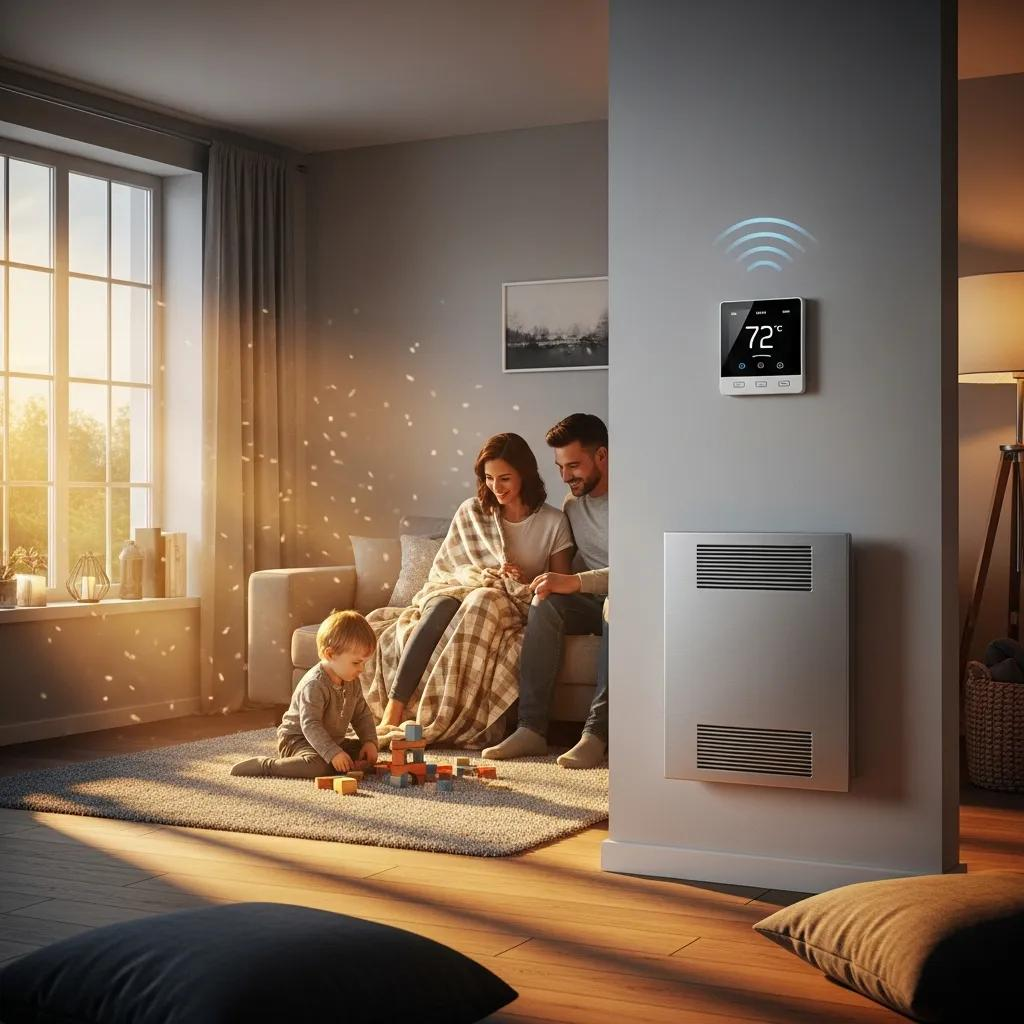
Advanced Ventilation Strategies for Optimal Indoor Air Quality: Comprehensive HVAC Solutions for Professionals

Indoor air quality (IAQ) is a critical aspect of health and comfort in both residential and commercial environments. At the Institute of Heating and Air Conditioning Industries, Inc. (IHACI), we understand the vital role advanced ventilation strategies play in ensuring that indoor spaces are not only comfortable but also safe and healthy. This article explores the mechanisms and benefits of HVAC ventilation systems, fresh air solutions, and energy recovery ventilators, providing insights into how these technologies can enhance IAQ. Many individuals and organizations face challenges related to air quality, such as pollutants and allergens, which can lead to health issues. By implementing effective ventilation strategies, we help address these challenges, leading to improved air quality and overall well-being. We will discuss the key benefits of HVAC systems, the integration of fresh air solutions, and the advantages of energy recovery ventilators, along with best practices for maintaining these systems.
What Are the Key Benefits of HVAC Ventilation Systems for Indoor Air Quality?
HVAC ventilation systems are essential for maintaining optimal indoor air quality by facilitating the exchange of stale indoor air with fresh outdoor air. This process significantly reduces the concentration of indoor pollutants, allergens, and moisture, which can lead to health issues such as respiratory problems and allergies. At IHACI, we emphasize the primary benefits of HVAC ventilation systems, which include health improvements, energy efficiency, and cost-effectiveness.
- Health Improvements: By reducing indoor pollutants, HVAC systems contribute to better respiratory health and overall well-being. Our clients often report noticeable improvements in comfort and fewer allergy symptoms after system upgrades.
- Energy Efficiency: Advanced systems optimize energy use, leading to lower utility bills and reduced environmental impact. We design and recommend systems that balance performance with sustainability to meet our clients’ needs.
- Cost-Effectiveness: Investing in quality HVAC ventilation systems can lead to long-term savings through improved energy efficiency and reduced health-related costs. We guide our clients in selecting solutions that provide value over time without compromising air quality.
At IHACI, we focus on promoting best practices in HVAC ventilation, fresh air systems, and energy recovery ventilators to improve indoor air quality and energy efficiency. The continuous evolution of these systems highlights both their recognized importance and the persistent challenges in achieving an optimal balance across various factors.
How Do HVAC Ventilation Systems Improve Air Exchange Rates and IAQ?
HVAC ventilation systems enhance air exchange rates by utilizing various mechanisms, such as mechanical fans and natural ventilation strategies. These systems work by drawing in fresh outdoor air while expelling stale indoor air, effectively diluting indoor pollutants. Improved air exchange rates lead to a significant reduction in airborne contaminants, thereby enhancing overall indoor air quality. We at IHACI ensure that our systems are tailored to maximize these benefits for every client’s unique environment.
What Energy Efficiency Advantages Do Advanced Ventilation Systems Offer?

Advanced ventilation systems offer several energy efficiency advantages that contribute to both environmental sustainability and cost savings. These systems often incorporate features such as variable-speed fans and smart controls, which optimize airflow based on real-time demand. This not only reduces energy consumption but also enhances the comfort of indoor environments. Our team at IHACI integrates these features to ensure our clients benefit from both performance and efficiency.
Implementing these advanced features can lead to substantial energy savings, making them a worthwhile investment for both residential and commercial properties. IHACI is committed to helping our clients select and maintain systems that deliver these benefits effectively.
How Do Fresh Air Ventilation Solutions Enhance Residential and Commercial Environments?
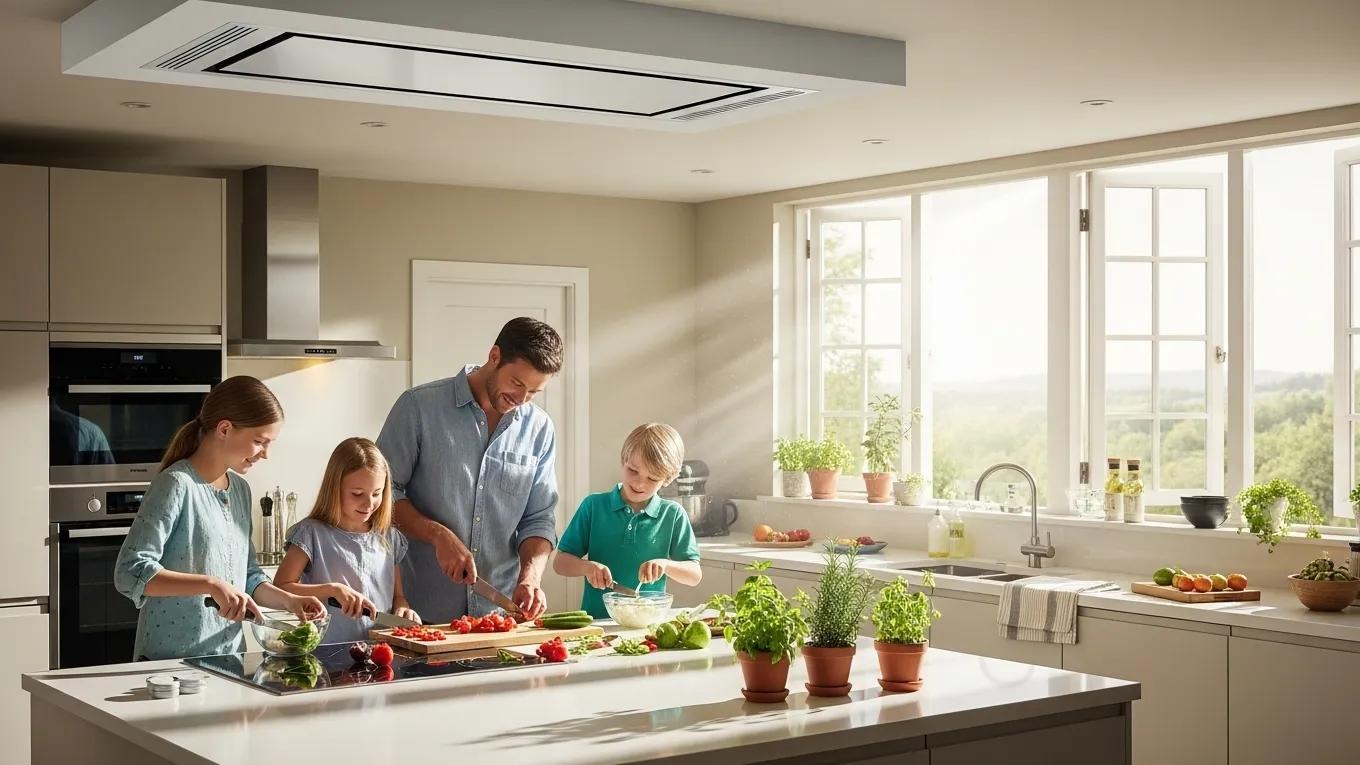
Fresh air ventilation solutions are designed to improve indoor air quality by introducing outdoor air into living and working spaces. These systems are particularly beneficial in environments where indoor air pollutants are prevalent, such as kitchens, bathrooms, and offices. By ensuring a continuous supply of fresh air, these solutions help to maintain a healthy indoor environment. At IHACI, we tailor fresh air solutions to the specific needs of each space, ensuring optimal performance and comfort.
What Are the Best Practices for Designing Fresh Air Systems?
Designing effective fresh air systems involves several best practices, including:
- Assessing Air Quality Needs: We begin by evaluating the specific air quality requirements of the space, considering factors such as occupancy, activities, and pollutant sources. This assessment allows us to design systems that address the unique challenges of each environment.
- Selecting Appropriate Equipment: Choosing ventilation equipment that meets the needs of the environment is critical. We recommend and install equipment that balances performance, efficiency, and durability to ensure long-term satisfaction.
- Ensuring Proper Installation: Following manufacturer guidelines and industry best practices during installation maximizes system performance and reliability. Our certified technicians at IHACI ensure every installation meets these high standards.
How Do Fresh Air Systems Integrate with Existing HVAC Infrastructure?
Integrating fresh air systems with existing HVAC infrastructure can enhance overall system performance. This integration often involves retrofitting current systems to accommodate fresh air intakes and exhausts. Proper integration ensures that the HVAC system operates efficiently while maintaining optimal indoor air quality. IHACI’s expertise in system integration allows us to seamlessly upgrade existing setups, minimizing disruption and maximizing benefits.
What Are the Technology and Energy Recovery Ventilator Benefits for IAQ and Cost Savings?
Energy recovery ventilators (ERVs) are advanced systems that improve ventilation efficiency by transferring heat and moisture between incoming and outgoing air streams. This technology not only enhances indoor air quality but also contributes to significant cost savings on energy bills. At IHACI, we prioritize the use of ERVs in our ventilation solutions to help clients achieve both comfort and efficiency.
How Do Energy Recovery Ventilators Operate to Improve Ventilation Efficiency?
ERVs operate by exchanging heat and moisture between the incoming fresh air and the outgoing stale air. This process helps to precondition the incoming air, reducing the load on heating and cooling systems. As a result, energy consumption is minimized, leading to lower utility costs. Our clients benefit from this technology through improved indoor air quality and reduced operational expenses.
What Are the Measurable Energy Savings from Using ERVs in HVAC Systems?
The implementation of ERVs in HVAC systems can lead to measurable energy savings. Buildings equipped with ERVs can achieve energy savings of up to a significant percentage compared to traditional ventilation systems. This not only benefits the environment but also provides financial relief to building owners. IHACI works closely with clients to quantify these savings and optimize system performance accordingly.
Which Mechanical Ventilation Strategies Are Most Effective for Maintaining Optimal IAQ?
Mechanical ventilation strategies are crucial for maintaining optimal indoor air quality, especially in tightly sealed buildings. These strategies include various types of ventilation systems, such as exhaust, supply, and balanced ventilation. At IHACI, we assess each building’s characteristics to recommend the most effective strategy for maintaining healthy air quality.
What Are the Differences Between Mechanical Ventilation Types and Their Applications?
Different types of mechanical ventilation systems serve distinct purposes:
- Exhaust Ventilation: This system removes indoor air, creating negative pressure that draws in fresh air from outside. We find this approach effective in spaces where controlling pollutant sources is a priority, such as kitchens and bathrooms. Proper design ensures that fresh air replaces the exhausted air efficiently.
- Supply Ventilation: This system introduces fresh air into the building, pressurizing the space to prevent infiltration of unconditioned air. We recommend supply ventilation in environments where controlling air quality and pressure is essential for occupant comfort and system performance.
- Balanced Ventilation: Combining both exhaust and supply systems, balanced ventilation maintains neutral pressure within the building. This approach is often the most effective for comprehensive air quality management, and IHACI specializes in designing balanced systems tailored to client needs.
How Can Smart Ventilation Controls Optimize System Performance and Compliance?
Smart ventilation controls utilize sensors and automation to optimize system performance. These controls can adjust ventilation rates based on occupancy and air quality levels, ensuring compliance with health and safety standards while maximizing energy efficiency. At IHACI, we integrate intelligent control strategies to provide our clients with systems that adapt dynamically to changing conditions, enhancing both comfort and sustainability.
The integration of intelligent control strategies is indeed a critical advancement for achieving both energy efficiency and superior indoor air quality, and we are proud to lead in this area.
How Should HVAC Professionals Maintain and Troubleshoot Advanced Ventilation Systems?
Regular maintenance and troubleshooting are essential for ensuring the longevity and efficiency of advanced ventilation systems. At IHACI, we provide comprehensive maintenance services and training to HVAC professionals to keep systems running smoothly and efficiently.
What Are Common Maintenance Procedures to Prevent System Inefficiencies?
Common maintenance procedures include:
- Regular Filter Changes: Changing filters regularly ensures optimal airflow and air quality. We advise our clients on appropriate schedules and provide high-quality filters to maintain system performance.
- Duct Cleaning: Removing dust and debris from ducts prevents blockages and maintains efficient airflow. Our technicians perform thorough cleaning to extend system life and improve air quality.
- System Inspections: Routine inspections help identify potential issues before they escalate into costly repairs. IHACI’s inspection protocols are designed to catch problems early and keep systems operating at peak efficiency.
How Can Troubleshooting Reduce Downtime and Energy Costs?
Effective troubleshooting can significantly reduce system downtime and energy costs. By promptly addressing issues such as airflow restrictions or mechanical failures, HVAC professionals can maintain system efficiency and prevent costly repairs. IHACI supports our clients with expert troubleshooting guidance and services to minimize disruptions and optimize system operation.
What Regulatory Standards and Compliance Requirements Govern Ventilation for IAQ?
Understanding regulatory standards is crucial for HVAC professionals to ensure compliance and promote optimal indoor air quality. Various organizations set guidelines that govern ventilation practices. At IHACI, we keep our clients informed about these standards and help them navigate compliance requirements effectively.
Which 2025-2026 Industry Standards Impact Ventilation System Design?
Upcoming industry standards for 2025-2026 will likely focus on enhancing energy efficiency and improving indoor air quality. HVAC professionals must stay informed about these changes to ensure their systems meet regulatory requirements. IHACI actively monitors these developments and updates our practices to align with the latest standards.
How Can HVAC Contractors Ensure Compliance with ASHRAE and Energy Star Guidelines?
HVAC contractors can ensure compliance with ASHRAE and Energy Star guidelines by:
- Staying Updated on Standards: Regularly reviewing changes in regulations is essential. We provide our clients with timely updates and resources to keep them informed.
- Participating in Training Programs: Engaging in professional development helps contractors understand best practices. IHACI offers training programs designed to enhance knowledge and skills in ventilation system design and maintenance.
- Implementing Quality Control Measures: Ensuring that installations meet established standards is critical for compliance and performance. Our quality control processes help contractors deliver reliable and effective ventilation solutions.
How Can IHACI Support HVAC Professionals in Implementing Advanced Ventilation Strategies?
The Institute of Heating and Air Conditioning Industries, Inc. (IHACI) provides valuable resources and support for HVAC professionals looking to implement advanced ventilation strategies. We are dedicated to advancing the industry through education, training, and access to cutting-edge technologies.
What Training and Resources Does IHACI Provide for Ventilation Best Practices?
IHACI offers a range of training programs and resources, including workshops, webinars, and certification courses, to help HVAC professionals stay current with best practices in ventilation. Our programs are designed to equip professionals with the knowledge and skills needed to design, install, and maintain advanced ventilation systems effectively.
How Can Membership Benefits Facilitate Access to Cutting-Edge Ventilation Technologies?
Membership with IHACI provides HVAC professionals with access to exclusive training programs and resources, enabling them to stay ahead in the rapidly evolving field of ventilation technology. This access ensures that they can implement the latest advancements in their projects, ultimately benefiting their clients and improving indoor air quality. We encourage professionals to join IHACI to take full advantage of these opportunities.
Partner with IHACI for Advanced Ventilation Solutions
At the Institute of Heating and Air Conditioning Industries, Inc., we are committed to helping you achieve optimal indoor air quality through innovative ventilation strategies. Whether you are upgrading existing systems or designing new installations, our expertise and resources are here to support your success. Connect with us today to learn how we can assist you in delivering healthier, more energy-efficient environments for your clients. Contact IHACI.
Subscribe to newsletter
Register for your FREE printed or digital subscription of ICN
Payments


